Is Your Office Water Dispenser Actually Meeting Hygiene Standards You Can Trust?
Is Your Office Water Dispenser Actually Meeting Hygiene Standards You Can Trust?
Key Takeaways
Not all office water systems are maintained to the hygiene standards you may expect.
Poorly maintained dispensers can become hidden sources of contamination.
Regular servicing and proper filtration are essential for safe drinking water.
Choosing a reliable commercial water dispenserprovider can significantly improve workplace health.
Are You Assuming Your Office Drinking Water Is Always Safe?
In many workplaces, water dispensers are used daily without a second thought. Employees trust that the water they drink is clean, safe, and properly maintained. However, hygiene standards can vary depending on how often the dispenser is cleaned, serviced, and monitored.
A neglected water dispenser may accumulate bacteria, mould, or biofilm over time. This is especially concerning in shared office environments where multiple users interact with the machine throughout the day.
Ensuring proper hygiene is not just about convenience, it directly impacts employee wellbeing.
What Makes a Water Dispenser Hygienic or Unhygienic?
Understanding the difference can help you make better choices for your workplace. Some key factors that influence hygiene are,
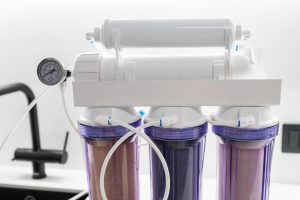
Filtration systems – High-quality filters reduce contaminants effectively
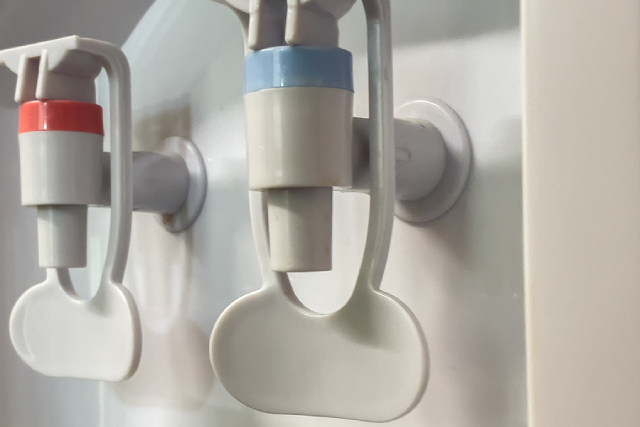
Touchpoints – Buttons and taps can harbour germs if not cleaned frequently
Water source quality – Direct piping vs bottled systems can affect contamination risk
Maintenance frequency – Professional servicing ensures consistent performance
Without proper care, even a modern dispenser can fail to meet expected hygiene standards.
Could Your Current Dispenser Be Putting Employees at Risk?
While issues may not always be visible, some warning signs include,
Unusual taste or odour in water
Slow dispensing or inconsistent temperature
Visible residue around taps or nozzles
Lack of documented servicing or maintenance
These signs suggest that the system may not be functioning optimally. In shared environments like offices, even minor lapses can affect multiple people.
How Can Offices Improve Water Hygiene Standards?
Maintaining a hygienic water system does not have to be complicated. A few consistent practices can make a significant difference,
Schedule routine professional servicing
Use advanced filtration systems designed for commercial use
Ensure regular external cleaning of high-touch areas
Replace filters as recommended by the provider
Choose systems with sealed or contactless dispensing options
Partnering with a trusted commercial water dispenser provider ensures that these steps are handled systematically.
Frequently Asked Questions
How often should a commercial water dispenser be cleaned?
Most systems require professional servicing every few months, along with regular external cleaning in the office.
Is filtered water from dispensers safe to drink?
Yes, when the system is properly maintained and filters are replaced on schedule, it is generally safe for daily consumption.
What is the difference between bottled and direct piping dispensers?
Bottled systems rely on stored water, while direct piping systems filter water directly from the source. Both require proper maintenance to remain hygienic.
Can poor dispenser hygiene affect employee health?
Yes, contaminated water or unclean surfaces can contribute to minor illnesses or discomfort over time.
Is It Time to Rethink Your Office Water Quality?
Clean drinking water is a basic necessity, yet it is often overlooked in workplace environments. If you are unsure whether your current system meets proper hygiene standards, it may be worth reviewing your setup.
Puredew offers reliable solutions for commercial water dispensers in Singapore needs, focusing on consistent maintenance and safe water practices.
If you are considering an upgrade or want to assess your current system, you can explore your options and arrange a consultation with the team at Puredew to better understand what suits your workplace.