Is Your Office Water Dispenser Really Clean or Quietly Affecting Workplace Hygiene?
Is Your Office Water Dispenser Really Clean or Quietly Affecting Workplace Hygiene?
Key Takeaways
Regular maintenance is essential to prevent hidden bacterial build-up in dispensers.
Even clear, odourless water can carry contaminants if systems are not serviced.
High-usage office environments increase the risk of hygiene lapses.
Scheduling water dispenser servicing Singapore helps support safer, cleaner drinking water at work.
Why Should You Question the Cleanliness of Your Office Water Dispenser?
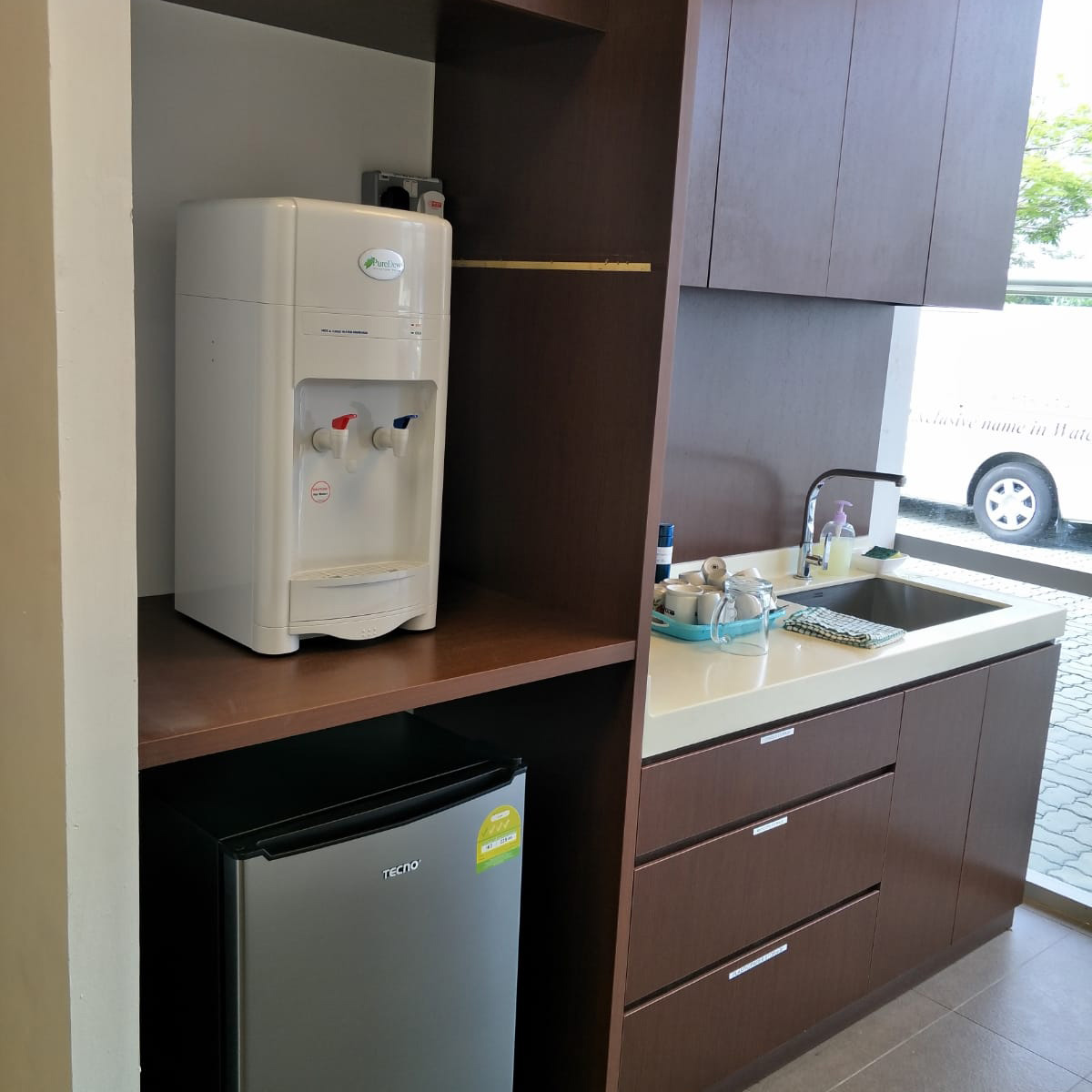
Most office water dispensers look clean on the outside but what about the inside?
In a typical workplace, dispensers are used repeatedly throughout the day. This constant usage, combined with environmental exposure, can gradually lead to internal contamination that isn’t visible.
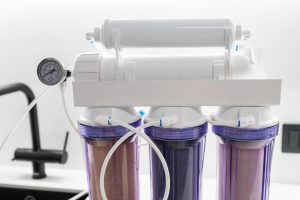
Internal tanks and pipes can accumulate bacteria and biofilm, mineral deposits as well as dust or airborne particles
External cleanliness does not guarantee internal hygiene
Irregular servicing may allow microorganisms to multiply over time
While this may not always lead to immediate health issues, it can quietly compromise hygiene standards in shared spaces.
What Are the Hidden Risks of Poorly Maintained Dispensers?
Without proper upkeep, water dispensers can become a source of contamination rather than convenience.
Some commonly overlooked concerns include,
Bacterial growth- Warm or stagnant water can support microbial presence
Cross-contamination- Frequent contact with taps and buttons
Filter inefficiency- Old or clogged filters may not function as intended
Taste and odour changes- Often subtle but indicative of internal issues
In a busy office environment in cities where humidity could be high, these risks can increase if maintenance is inconsistent.
How Often Should Office Water Dispensers Be Serviced?
There isn’t a one-size-fits-all answer, but general guidance suggests,
Every 3 to 6 months for regular servicing
More frequent checks for high-traffic offices, shared or public-access areas and dispensers used daily by large teams
Routine water dispenser servicing providers typically include cleaning, sanitisation, and filter checks as part of maintenance.
What Does Proper Water Dispenser Servicing Involve?
A thorough servicing process usually includes,
Internal cleaning and sanitisation of tanks and pipes
Filter inspection and replacement, if required
Checking for wear and tear in components
Ensuring water flow and temperature functions are working correctly
These steps help maintain hygiene without making exaggerated claims about outcomes, aligning with guidance that public information should remain factual and not misleading.
Are There Signs Your Dispenser Needs Immediate Attention?
Yes, some indicators are easy to spot,
Unusual taste or smell in the water
Slower water flow than usual
Visible residue near taps or outlets
Longer gaps since last servicing
If any of these appear, it may be time to schedule a check.
Frequently Asked Questions
Is it safe to drink from an office water dispenser every day?
Generally, yes, provided the dispenser is regularly cleaned and maintained. Hygiene depends largely on servicing frequency and usage conditions.
Can bacteria grow inside a water dispenser?
Yes, especially in moist and enclosed environments if cleaning is delayed or inconsistent.
How long do water filters last in dispensers?
Most filters last between 3 to 6 months, but this varies based on usage and water quality.
Does servicing improve water quality?
Servicing helps maintain cleanliness and ensures components function properly, which supports overall water hygiene.
Is It Time to Reconsider Your Office Hygiene Practices?
A water dispenser is something most employees rely on daily, yet it’s rarely questioned. Keeping it clean isn’t just about maintenance; it’s part of creating a healthier shared environment. If your office hasn’t reviewed its servicing schedule recently, it may be worth considering a professional check.
Explore reliable water dispensers servicing in Singapore with Puredew to better understand your options. Schedule a consultation to ensure your workplace drinking water remains clean and well-maintained.