What Makes a Water Filtration System ‘Sustainable’, And How Can You Tell If One Truly Is?
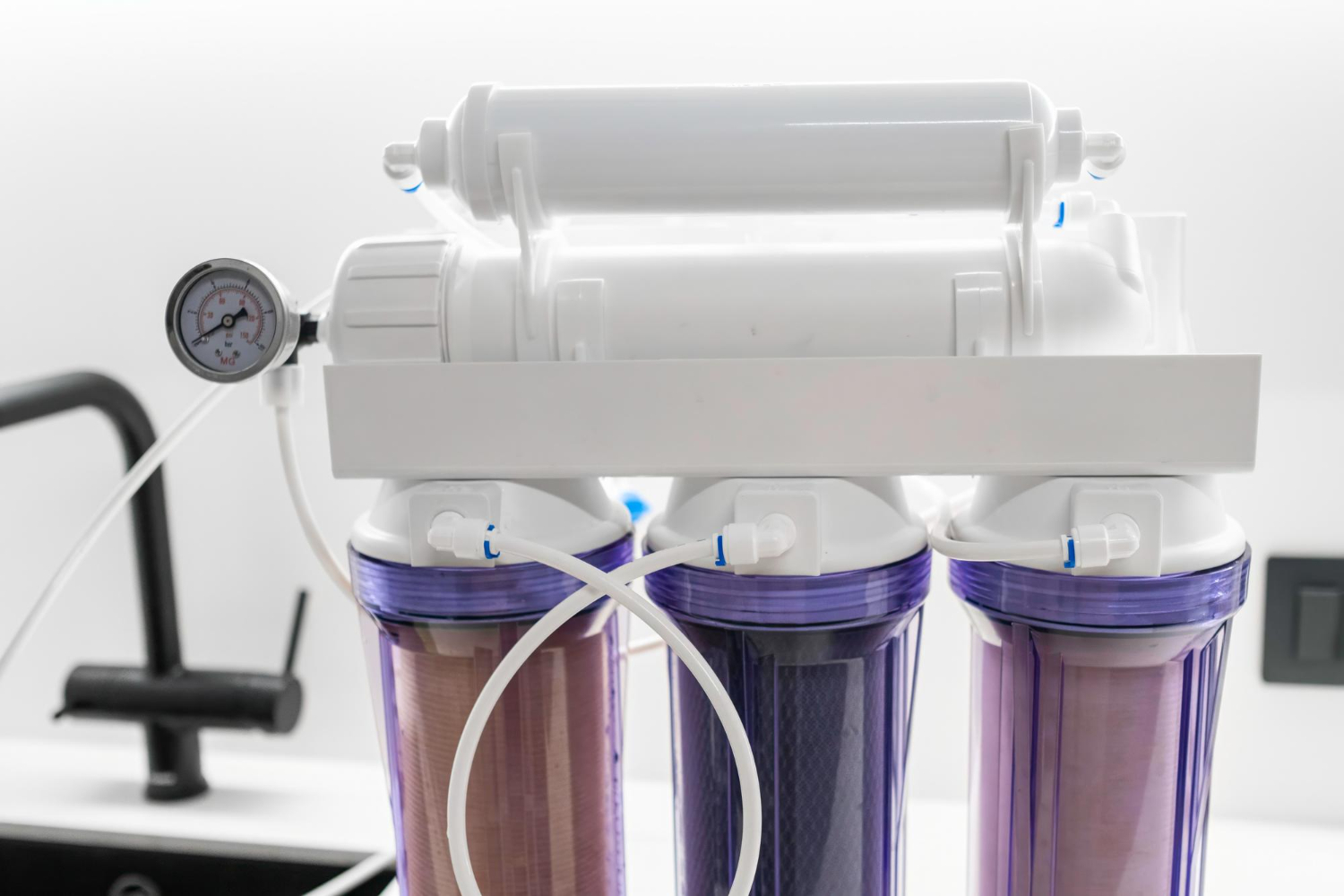
What Makes a Water Filtration System ‘Sustainable’, And How Can You Tell If One Truly Is?
As sustainability becomes part of everyday decision-making, many people want to know if their water filtration system is actually eco-friendly, or just marketed that way.
Whether you’re choosing a system for your home, office, or commercial space, understanding what “sustainable” truly means can help you make a smarter, longer-term choice.
This guide breaks it down in plain language, no greenwashing, no jargon.
What Does “Sustainable” Really Mean When It Comes to Water Filtration?
A sustainable water filtration system is designed to reduce environmental impact over its full lifespan, not just at the point of purchase.
That usually means looking beyond the filter itself and considering:
- How long the system lasts
- How often parts need replacing
- How much waste it produces
- How much energy it consumes
- Whether it reduces reliance on bottled water
True sustainability is about durability + efficiency + responsible use over time.
What Materials Are Used, and Do They Actually Last?
One of the clearest indicators of sustainability is build quality.
A system made with durable internal components and sturdy housing is less likely to:
- Break down prematurely
- Require frequent replacements
- End up in landfills after a few years
Remember:
- Robust internal filtration components
- Systems designed for long-term daily use
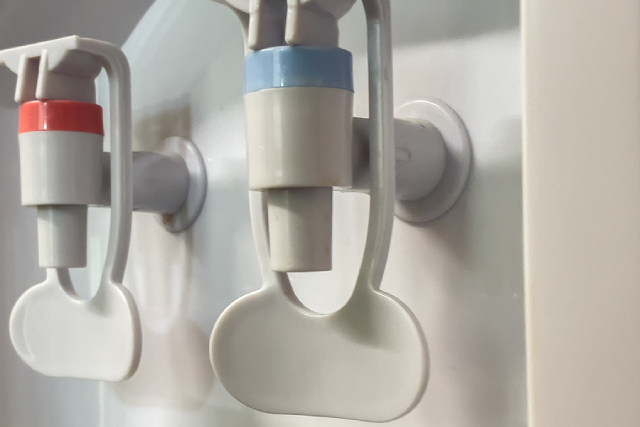
- Parts that can be serviced or replaced individually, instead of discarding the whole unit
Longevity matters. A system that lasts 15–20 years with proper care is far more sustainable than one replaced every few years.
How Does Filter Replacement Affect Sustainability?
Filters are necessary, but how often you replace them makes a big difference.
Frequent filter changes can mean:
- More plastic waste
- Higher long-term resource use
- Increased operational costs
More sustainable systems tend to have:
- Longer filter lifespans
- Clearly defined servicing schedules
- Filters designed for efficient performance without excessive waste
Regular maintenance is part of sustainability, but unnecessary over-replacement isn’t.
Does a Sustainable Water System Use Less Energy?
Yes, and this is often overlooked.
Energy efficiency matters most for systems that:
- Heat and cool water
- Run continuously in offices or shared spaces
Energy-conscious systems are designed to:
- Maintain temperature efficiently
- Avoid unnecessary power draw when idle
- Balance performance with lower energy consumption
Over years of daily use, these differences add up, both environmentally and financially.
Is Reducing Bottled Water One of the Biggest Sustainability Wins?
Absolutely.
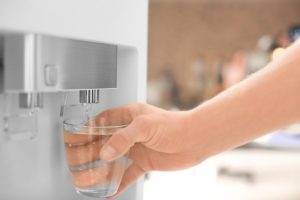
One of the most immediate environmental benefits of a good filtration system is reducing single-use plastic bottles.
When a dispenser is:
- Convenient
- Reliable
- Easy to maintain
People are far more likely to refill reusable bottles instead of buying bottled water. That behavioural shift alone significantly lowers plastic waste across homes, offices, and commercial spaces.
How Can You Tell If a Water Filtration Brand Truly Supports Sustainability?
Beyond the product itself, look at how the brand operates.
Signs of genuine commitment include:
- Long-term servicing and support
- Availability of replacement parts
- Clear guidance on maintenance, not forced upgrades
- Systems designed for extended use, not short replacement cycles
This is where working with an established provider matters. Brands that support their products help customers consume more responsibly.
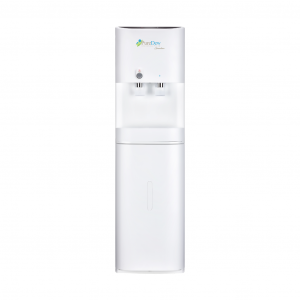
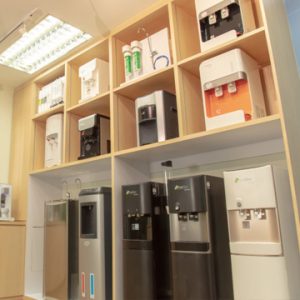
Puredew has built its reputation around long-lasting water dispensers supported by in-house servicing and structured maintenance, an approach that naturally aligns with sustainability over time.
Quick Summary: What to Look for in a Sustainable Water Filtration System
- Durable materials designed for long-term use
- Efficient filtration with fewer replacements
- Responsible energy consumption
- Reduced reliance on bottled water
- Ongoing servicing and product support
Sustainability isn’t one feature, it’s how everything works together over years of use.
Frequently Asked Questions (FAQs)
1. Is a sustainable water filter always more expensive?
Not necessarily. While upfront costs may vary, long-lasting systems often cost less over time due to fewer replacements and lower maintenance needs.
2. How long should a sustainable water filtration system last?
With proper servicing, many high-quality systems are designed to last well over a decade.
3. Are all “eco-friendly” water filters actually sustainable?
No. Some focus on marketing claims rather than durability, waste reduction, or long-term efficiency.
4. Does regular servicing improve sustainability?
Yes. Proper maintenance extends lifespan, maintains performance, and prevents unnecessary replacements.
5. Is switching from bottled water to a dispenser really impactful?
Yes. It significantly reduces plastic waste and lowers the environmental footprint of daily hydration.
A Smarter Way to Think About Sustainable Water
Sustainability isn’t about chasing the latest “green” label, it’s about choosing systems that are built to last, easy to maintain, and practical for everyday use.
Choose Water Solutions That Are Designed to Last
If you’re considering a water filtration system for your home, office, or commercial space, focus on durability, serviceability, and long-term impact.
Talk to Puredew about water filtration systems designed for everyday use, long-term reliability, and responsible consumption.