
Is Your Current Water Filter Helping the Environment or Creating More Waste Than You Think?
Is Your Current Water Filter Helping the Environment or Creating More Waste Than You Think?
Key Takeaways
- Not all water filters are environmentally friendly; some generate significant plastic and cartridge waste.
- Disposable filter systems can contribute to landfill accumulation over time.
- Choosing an eco water filter Singapore households can rely on may help reduce waste while maintaining water quality.
- Sustainable filtration solutions focus on durability, efficiency, and reduced replacement requirements.
Are You Unknowingly Creating More Waste Every Time You Filter Your Water?
Many households install water filters with good intentions. Cleaner drinking water, convenience, and better-tasting water are often the primary goals. However, an important question is often overlooked- What happens to the used cartridges, plastic components, and replacement parts?
While water filtration can be beneficial, certain systems may generate more waste than consumers realise. Over the years, regularly replacing disposable cartridges and plastic filter components can result in a considerable environmental footprint.
As sustainability becomes increasingly important, many homeowners are beginning to evaluate whether their current filtration system aligns with their environmental values.
How Much Waste Can Traditional Water Filters Generate?
The environmental impact of a water filter largely depends on its design and maintenance requirements.
Some common sources of waste include:
- Frequent cartridge replacements
- Non-recyclable plastic filter housings
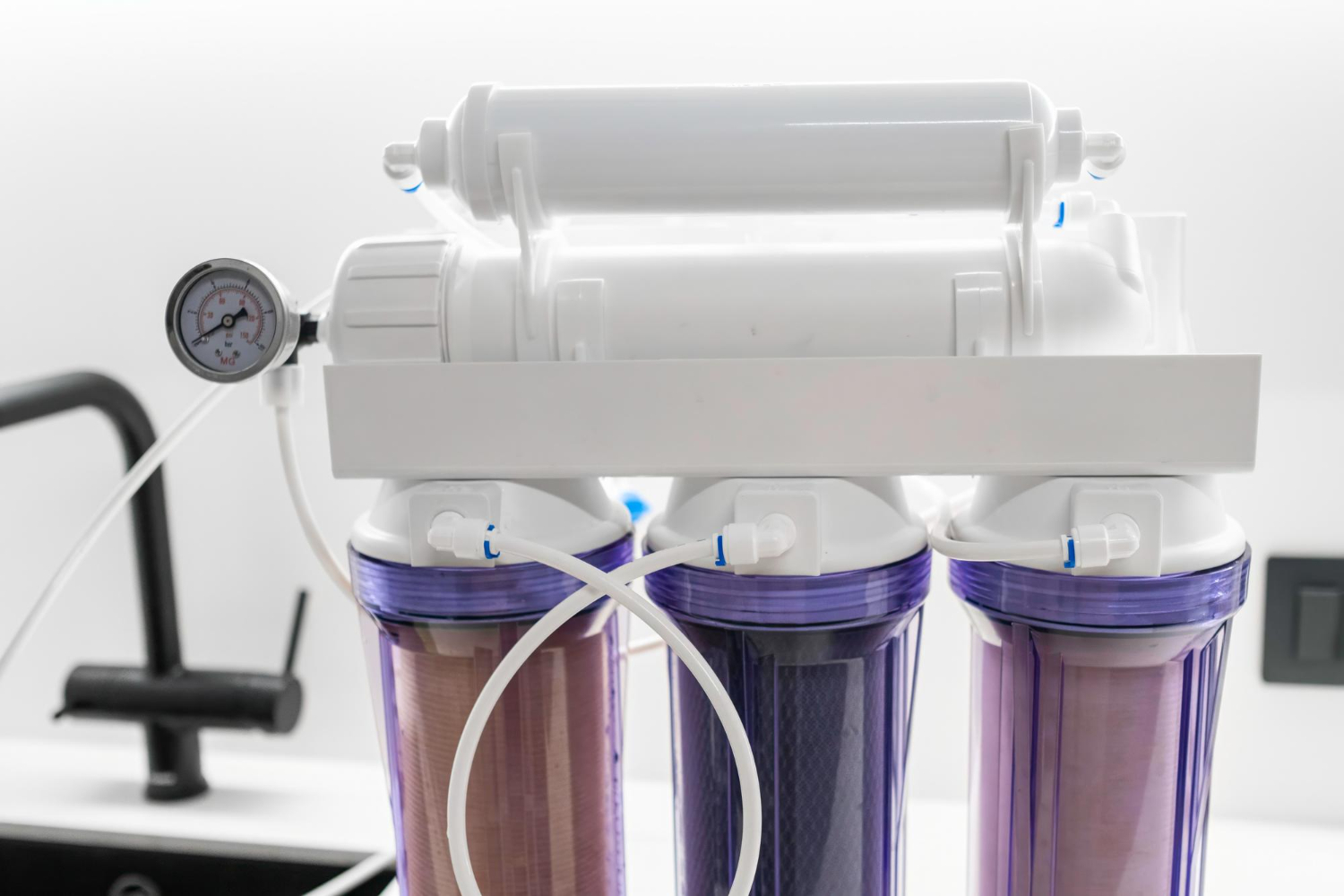
- Multiple-stage filters requiring separate replacements
- Packaging materials used for replacement parts
- Short product lifespans leading to complete unit replacement
For example, if a household replaces several cartridges multiple times per year, the accumulated waste can become substantial over the lifespan of the system.
What Makes Some Water Filters More Environmentally Friendly Than Others?
An environmentally conscious filtration system focuses on reducing waste while maintaining effective performance.
Features often associated with sustainable filtration systems include:
- Longer-lasting filtration components
- Reduced reliance on disposable cartridges
- Durable construction designed for long-term use
- Efficient filtration processes that minimise resource consumption
- Lower overall replacement frequency
When comparing options, it is worth looking beyond the initial purchase price and considering the total environmental impact over several years.
Why Are More Households Looking for Eco-Friendly Water Filtration Solutions?
Modern cities today have made significant efforts to promote sustainability and environmental responsibility. As a result, many residents are becoming more mindful of everyday household choices.
Some reasons homeowners are exploring eco-friendly filtration options include:
- Reducing household plastic waste
- Supporting more sustainable consumption habits
- Minimising long-term maintenance requirements
- Lowering the environmental impact of frequent replacements
- Making more responsible purchasing decisions
An eco water filter should ideally balance performance, convenience, and sustainability.
How Can You Evaluate Whether Your Current Water Filter Is Sustainable?
Consider asking yourself the following questions,
Replacement Frequency
- How often do you replace cartridges or filters?
- Are multiple components replaced separately?
Waste Generation
- Are the used components recyclable?
- How much plastic waste is generated annually?
Product Lifespan
- Is the system designed for long-term use?
- Does it require frequent upgrades or replacements?
Environmental Commitment
- Does the manufacturer prioritise sustainability?
- Are there efforts to reduce waste throughout the product lifecycle?
Answering these questions can provide a clearer picture of your filter’s overall environmental impact.
Could a More Sustainable Water Filter Save Resources Over Time?
While sustainability is often associated with environmental benefits, it may also support long-term resource efficiency. Potential advantages can include:
- Fewer replacement parts required
- Reduced packaging waste
- Less frequent maintenance
- Lower overall consumption of disposable materials
For environmentally conscious households, these factors can play an important role when selecting a water filtration system.
Frequently Asked Questions
What is an eco water filter?
An eco water filter is generally designed to reduce environmental impact by minimising waste, reducing disposable components, and supporting longer-term use compared to conventional filtration systems.
Are all water filters environmentally friendly?
No. Different filtration systems vary significantly in terms of waste generation, replacement frequency, and overall sustainability.
How can I reduce waste from my current water filter?
You can start by reviewing your filter’s replacement requirements, exploring recyclable options where available, and considering systems designed for longer-lasting performance.
Why is sustainability important when choosing a water filter?
A sustainable filtration system may help reduce plastic waste, minimise resource consumption, and support environmentally responsible household practices.
Is an eco-friendly water filter suitable for modern homes?
Many eco-friendly filtration solutions are designed to meet the needs of modern households while supporting sustainability goals and everyday convenience.
Looking for a More Sustainable Water Filtration Solution?
If you’re wondering whether your current filtration system is creating more waste than necessary, it may be time to explore a more environmentally conscious alternative.
At Puredew International, we believe that cleaner water and environmental responsibility can go hand in hand. Our team can help you better understand the available options and identify a solution that aligns with your household’s water needs and sustainability goals.
Consider Puredew International today to arrange a consultation and discover how an eco water filter for Singapore homeowners could support a greener future for your home.