Do You Need Different Water Filtration Solutions for Drinking, Cooking and Other Household Uses?
Do You Need Different Water Filtration Solutions for Drinking, Cooking and Other Household Uses?
Key Takeaways
- Water used for drinking, cooking, bathing and cleaning serves different purposes, so filtration requirements may vary.
- A drinking water filter does not automatically address every water quality concern throughout the home.
- The right filtration system depends on the water supply, the substances being targeted and the intended use.
- Singapore’s tap water is treated to meet national drinking water standards, but households may have specific filtration preferences.
- Understanding what a filter can and cannot remove helps you avoid unnecessary equipment.
Does One Water Filter Really Meet Every Household Need?
It is tempting to assume that installing one water filtration system will improve water quality throughout your home. However, the answer depends on where the system is installed, how it works and what you want it to achieve.
Consider three everyday situations. You want drinking water that tastes pleasant, water for preparing rice and vegetables, and water for showering without concerns about mineral deposits. These are different requirements, and one filtration method may not address all of them. The starting point is not to buy the most comprehensive system available. It is to identify what you actually need.
Why Does Drinking Water Need a Different Approach From Cooking Water?
Drinking water is consumed directly, while cooking water may be heated, mixed with ingredients or used to rinse food. Although both applications involve water intended for consumption, the filtration requirements depend on the substances you want to address.
For example, activated carbon filters can reduce chlorine taste and odour in suitable applications. However, they do not remove every possible contaminant, and their performance depends on the filter design and certification.
For drinking and cooking, consider the following,
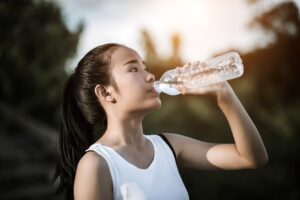
- Drinking water- A filter may be useful if you want to address particular taste or odour concerns. Check whether the system is designed to reduce the specific substances you are concerned about.
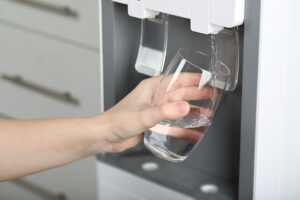
- Cooking water- Water used for making soups, boiling vegetables or preparing beverages may benefit from the same filtration system used for drinking, provided it is suitable for both purposes.
- Food preparation- Filtering water does not replace washing produce appropriately or following safe food handling practices.
You may not need separate systems for drinking and cooking. If a suitable drinking water filter can supply enough water for both activities, one system may be sufficient.
What About Showering, Laundry and Cleaning?
Water used for bathing and cleaning presents a different consideration. Here, households may be concerned about mineral deposits, soap performance or the effects of water on appliances.
However, filtration and water softening are not the same thing.
A filter is designed to reduce particular substances, depending on its technology. A water softener, by contrast, is designed to reduce water hardness by removing or exchanging hardness minerals such as calcium and magnesium.
This distinction matters when choosing household water filtration solutions, such as,
- Drinking- If your concern is taste, odour or specific contaminants, consider a drinking water filter designed to address them. Check its specifications to understand which substances it can reduce.
- Cooking- Water used for preparing soups, boiling vegetables or making beverages may be filtered using the same system as your drinking water, provided it is suitable for both purposes and supplies enough water.
- Showering- If you are concerned about chlorine-related issues or mineral deposits, consider a shower filter or water treatment system designed for that specific concern. Not all shower filters address every water quality issue.
- Laundry- Hard water can affect washing performance. If this is a concern, consider whether water softening is appropriate for your household.
- Cleaning- If you notice mineral deposits or water spots on household surfaces, consider whether filtration or water softening addresses the underlying issue. The right approach depends on the cause of the problem.
Not every household needs filtration at every outlet. The value of a system depends on whether it addresses a genuine concern.
How Can You Choose the Right Water Filtration Solutions?
Is tap water safe to drink without a filter?
Usually tap water is treated to meet national drinking water standards. A household filter is not automatically required to make compliant tap water safe to drink, although some people choose one to address specific preferences or concerns.
Can I use the same filtered water for drinking and cooking?
Yes, if the filtration system is suitable for both uses and provides sufficient water. A separate cooking water filter is not necessarily required.
Does a shower filter remove hard water minerals?
Not necessarily. Many shower filters are designed to target particular substances, but they do not automatically soften hard water. Check the product’s specifications before choosing one for this purpose.
Does reverse osmosis remove all contaminants?
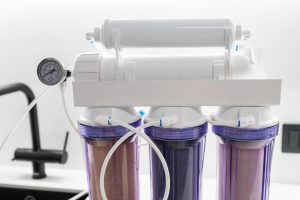
No filtration system should be assumed to remove every contaminant. Reverse osmosis can reduce various dissolved substances, but performance depends on the system, membrane and operating conditions.
How often should I replace a water filter?
Replacement frequency varies by product, water usage and water quality. Follow the manufacturer’s recommended replacement schedule and instructions.
Frequently Asked Questions
Is an undercounter water filter suitable for a small office?
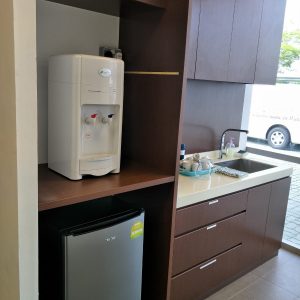
It can be, particularly where counter or floor space is limited. However, the available cabinet space and the office’s expected water usage should be considered before installation.
Does an undercounter filter require plumbing changes?
Installation requirements vary between systems. The existing water supply, plumbing arrangement and available space should be assessed to determine what installation involves.
How often do undercounter filters need to be replaced?
It depends on the specific filtration system, filter type and usage. Follow the manufacturer’s recommended replacement schedule rather than assuming all filters have the same lifespan.
Is an undercounter filter maintenance-free?
No. The system still requires appropriate maintenance and filter replacement. Keeping the equipment out of sight should not mean overlooking routine care.
Schedule a consultation
The right approach is to match your filtration system to your household’s actual needs rather than assuming every tap requires separate treatment. For many Singapore households, a suitable drinking water filtration system may serve both drinking and cooking needs, while additional treatment is worth considering only when a specific concern justifies it.
Puredew can be a starting point for exploring water filtration options for your home. Schedule a consultation to review the available systems, compare their stated capabilities and consider your household’s requirements before deciding which solution is appropriate.